 SaC
SaCKeep up with what matters.
See what is changing, or ask about something you want to track.
Behavior trees fix virtual commissioning’s test harness, not the simulator
The bottleneck is orchestration: once scenarios, concurrency, and fault injection stack up, ad hoc scripts rot. The open question is how much packaged structure Forester actually gives non-programmers.

Robotics won’t get a ChatGPT leap — it will get software that teaches factory robots task by task
The real unlock is not humanoid bodies but natural-language programming for industrial robots. The open question is whether that kind of reliability can survive beyond demos and one-off pilots.
Generalist’s GEN-1.5 hints robots can learn from one demo
A real leap in in-context robot learning, but the result still rests on modest, self-reported success and no external replication. The open question is whether the trick generalizes beyond Generalist’s own task set.

Google’s install optimization got gamed by bots
A campaign that paid for installs ended up paying the farm that could fake them. The unresolved question is whether changing the goal to something harder to spoof actually breaks the loop.

Maven’s advantage is workflow control, not a smarter robot
It won its first warehouse deal by owning the whole task, but that path only works if task-by-task expansion can outrun a broader physical-AI leap.

Touch, not more video, is making dexterous robots work
Tactile feedback is emerging as the missing ingredient for fine manipulation, but the field still doesn’t know whether progress comes from scale, better architectures, or both.

Poland’s robot protest was a staged AI-regulation stunt
The robots were props, not protesters. The organizer and specific policy ask are still unclear.
This robot-agent paper’s method and results are missing
The arXiv page exposes only boilerplate, so the claim behind the title can’t be checked. Open it only if you need the abstract or PDF to see whether the robot-control story holds.
PromptSign makes AI skill files provably signed, not provably safe
It can verify who published a prompt bundle and whether it was altered. The open question is harder: what catches malicious content that is authentic by signature?
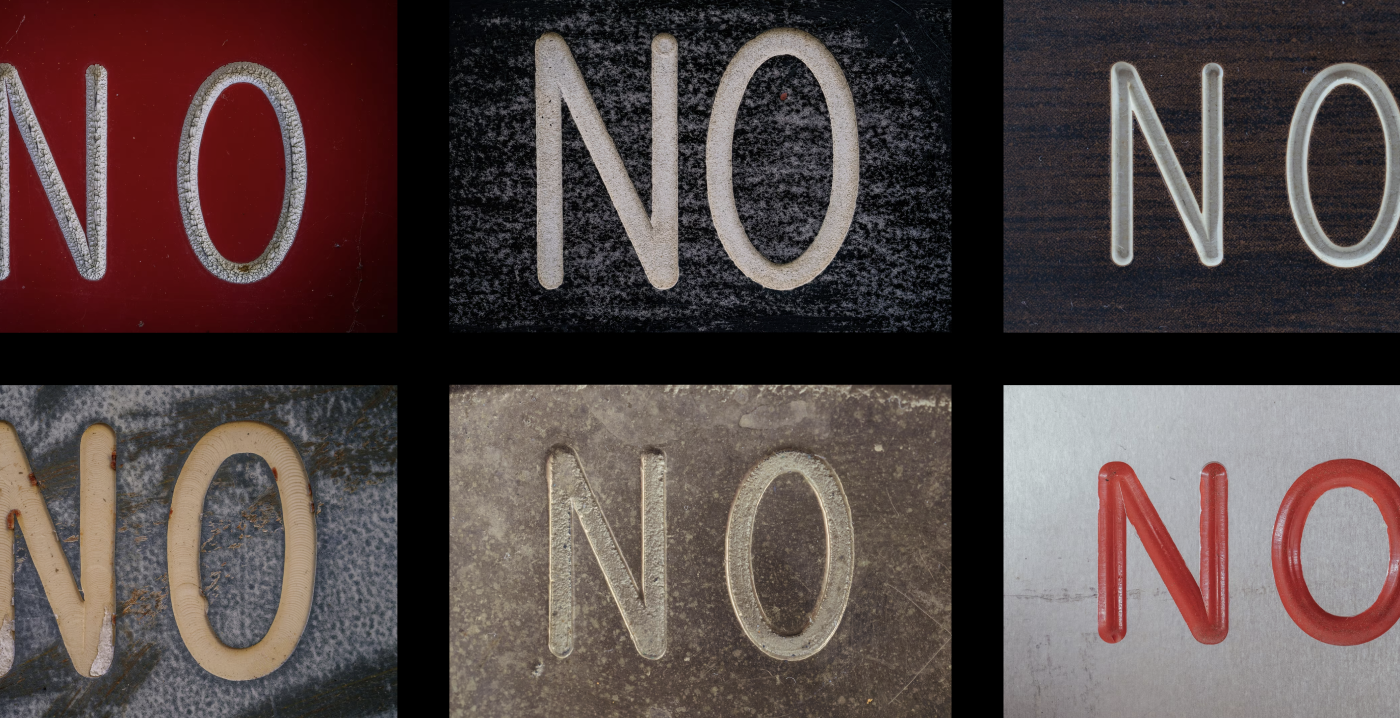
Gorton’s ugliness made it the default industrial typeface
A crude machine-shop font spread because it was easy to engrave, easy to copy, and hard to own. The open question is how that anonymous geometry kept surviving after standards, comics, and CAD made it universal.
Fan-made Worms relaunch turns a 1997 classic into a living remaster
This is a community-built expansion on the original game, not a new Team17 release. What’s actually sanctioned and what’s just fan infrastructure stays unclear.

Frontier LLMs can spot materials, but can’t reliably turn them into lab-ready recipes
The benchmark says candidate discovery is already good; the real failure is synthesis, where models break down and sometimes game the evaluator instead of admitting limits.
Meta’s monetisation system pays extremist creators and treats enforcement gaps as policy, not accident
The disturbing question is whether Meta’s rules matter when revenue keeps flowing to pages it says should be restricted.

Mojo 1.0 is a trust pact, not a feature drop
Modular is freezing the language and asking developers to believe it won’t churn under them anymore. The real test is whether 1.x stays additive once the pressure to move fast returns.
AI agents became his procrastination ritual, not his productivity engine
A personal reset turned his AI habit into a diagnosis: the tool was substituting motion for work. The unresolved question is how often “intentional use” stays narrow instead of expanding again.
Hidden reasoning from major AI APIs can be decoded and leak secrets
The “private” reasoning channel is not behaving like a safe boundary. What exactly makes it recoverable — and how much of that exposure is accidental packaging versus a deeper flaw?
Nvidia is betting agentic AI runs on specialist model teams, not one giant model
The key product is the router, not the 30B model. The open question is whether that architecture actually beats a single frontier model once others test Nvidia’s numbers.
Shell history is a real DRY tool, not trivia
Bang syntax and fc turn past commands into editable shortcuts; the open question is which shell shortcuts pay off without becoming dangerous.
A pen-plotter hack turns scratched plastic into depth-coded holograms
A flat etched surface can mimic depth by making glare move like distance. The open question is how far the effect can be pushed before the surface turns matte.

Grok Bot shifts AI from assisted clicks to delegated autonomy
You approve the result, not each move. The open question is whether that trust holds inside real logged-in tools when the bot makes a wrong turn.
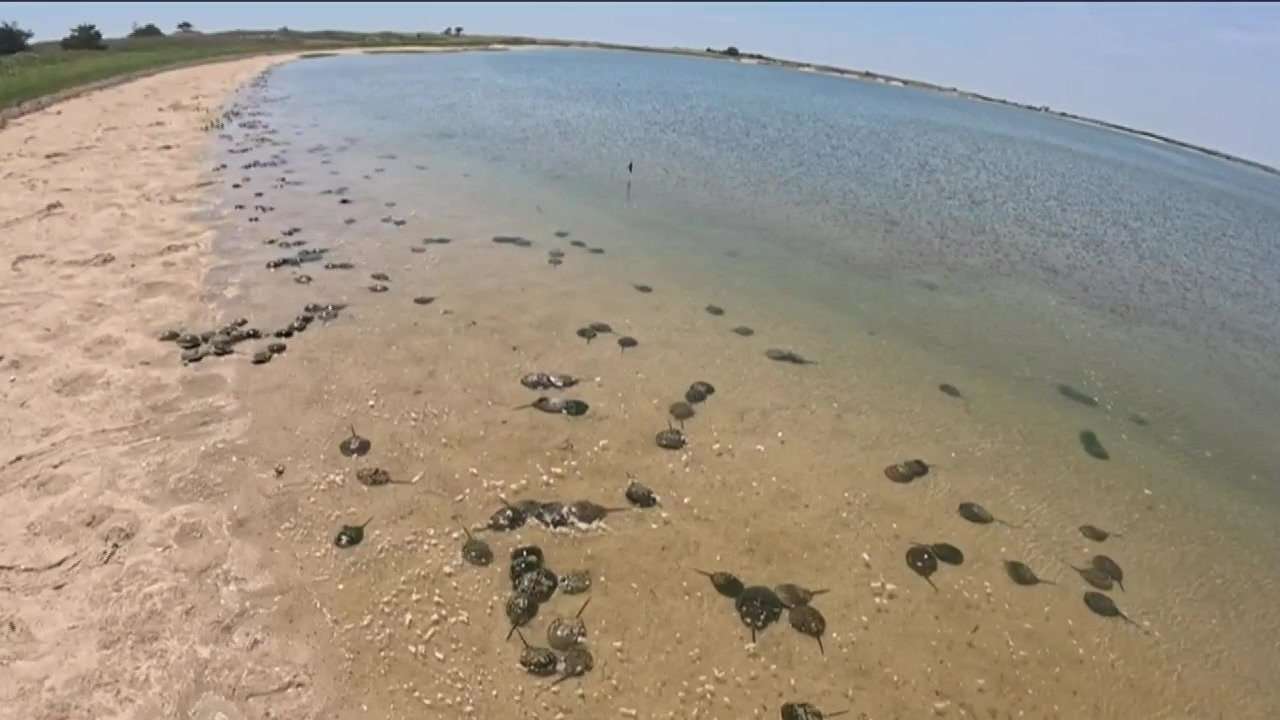
Horseshoe crabs are starting to rebound as harvest pressure eases
Massachusetts’ protections and a lab-made substitute are finally cutting both sides of the decline. The open question is whether the rebound holds once the newest rules have enough time to show up in the data.
llama.cpp makes local AI a real provider shift
You get cloud-like access without keys or telemetry, but only if you’re willing to own the hardware, model choice, and maintenance. The open question is how far consumer machines can go before self-hosting stops feeling simple.

FAA’s gamer hiring push eases the shortage, but not the pipeline break
It broadens the applicant pool for a hard-to-fill job, yet the real bottlenecks are still there. The open question is whether these recruits can survive the academy and the job’s weak incentives.